Todd Coconato Show — Remnant News
We interview exciting guests and talk about relevant topics of the day from a biblical lens. If you want to be informed and updated as to what is going on in our nation and world, then listen to the Todd Coconato Show!
Listen on:




Episodes
Wednesday Jan 31, 2024
Wednesday Jan 31, 2024
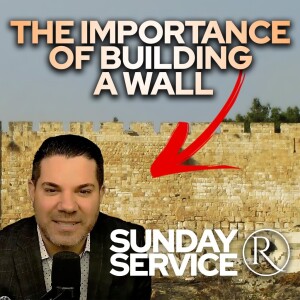
The Importance of Building A Wall • Sunday Service
To Give: www.ToddCoconato.com/give
New Book: www.PastorToddBook.com
Website: www.PastorTodd.org
Church website: www.RRCNashville.org
The answer to why it was important to rebuild Jerusalem’s walls is found in Nehemiah 1:3.Some Jews who visited Jerusalem returned to Persia and reported to Nehemiah, the king’s cupbearer. The men said, “Those who survived the exile and are back in the province are in great trouble and disgrace. The wall of Jerusalem is broken down, and its gates have been burned with fire.”After the Babylonian Captivity, a remnant of the Jewish people had returned to Jerusalem under the leadership of Zerubbabel and Ezra. These returned exiles had rebuilt the temple, but they were now in need of protection. The lack of fortified walls around the city left the people defenseless against enemies. Weather, wild animals, opposing people, and other opponents could easily enter and cause “great trouble” to the people.
According to the report Nehemiah received, the remnant in Jerusalem was shamed. A city with broken walls revealed a defeated people. The Jews who had returned to their homeland were both in unsafe conditions and humiliated at living in a destroyed city. In Nehemiah 2:17, Nehemiah told the Jewish leaders, “You see the trouble we are in: Jerusalem lies in ruins, and its gates have been burned with fire. Come, let us rebuild the wall of Jerusalem, and we will no longer be in disgrace.”Also, the rebuilding of Jerusalem’s walls would show God’s blessing upon His people again. Nehemiah quoted God’s words to Moses in his prayer, saying, “If you return to me and obey my commands, then even if your exiled people are at the farthest horizon, I will gather them from there and bring them to the place I have chosen as a dwelling for my Name” (Nehemiah 1:9).
Rebuilding the walls of Jerusalem was an important sign to the enemies of Israel. Nehemiah told their enemies, “The God of heaven will give us success. We his servants will start rebuilding, but as for you, you have no share in Jerusalem or any claim or historic right to it” (Nehemiah 2:20).And rebuilding the walls showed that God was with His people. Upon the completion of the walls, Nehemiah wrote, “When all our enemies heard about this, all the surrounding nations were afraid and lost their self-confidence, because they realized that this work had been done with the help of our God” (Nehemiah 6:16).The destruction of Jerusalem’s walls left its people exposed to great trouble and shame. Rebuilding the walls of Jerusalem was important because it revealed God’s blessing, served as a sign to Israel’s enemies, and showed God was with His people.
let's go through each chapter of the Book of Nehemiah in greater detail:
**Chapter 1: Nehemiah's Prayer**- In this chapter, Nehemiah, a cupbearer to the Persian king Artaxerxes, hears about the distressing condition of Jerusalem and its broken walls.- Nehemiah's immediate response is one of deep concern and grief. He weeps, mourns, fasts, and prays to God for forgiveness for his people's sins and for guidance on how to address the situation.- This chapter serves as an introduction to Nehemiah's character, his strong connection to his homeland, and his reliance on prayer as he seeks God's direction.
**Chapter 2: Nehemiah's Commission**- Nehemiah, still in the king's service, looks visibly sad. When the king inquires about the reason, Nehemiah explains his concern for Jerusalem.- Remarkably, King Artaxerxes grants Nehemiah permission to return to Jerusalem and rebuild the city's walls. The king even provides him with letters for safe passage and resources.- Nehemiah's commission serves as a powerful reminder of God's sovereignty, as He uses even pagan kings to accomplish His purposes.
**Chapter 3: The Wall's Construction**- This chapter provides a detailed account of the people and groups who participated in rebuilding different sections of Jerusalem's wall.- The lists of builders and their contributions underscore the unity and cooperation among the Israelites. Families, priests, and even rulers are involved in the construction.- It emphasizes that rebuilding the wall was a collective effort, reflecting the importance of unity and teamwork among God's people.
**Chapter 4: Opposition and Perseverance**- As the wall construction progresses, Sanballat, Tobiah, and other enemies of the Jews become increasingly hostile. They mock and ridicule the builders, seeking to discourage them.- Nehemiah responds with prayer and encourages the people to stay vigilant and continue their work. He sets up a system of defense and assigns armed guards.- This chapter illustrates the reality of opposition and adversity in pursuing God's work but also highlights the importance of perseverance, prayer, and trusting in God's protection.
**Chapter 5: Nehemiah Addresses Social Injustice**- In this chapter, Nehemiah addresses internal issues of social injustice among the Jewish community. Some were exploiting their fellow Jews through loans and exorbitant interest rates, leading to financial hardships.- Nehemiah rebukes the oppressors, urging them to return what they had taken and charging them to live in a way that pleases God.- This chapter demonstrates Nehemiah's commitment to justice and fairness, emphasizing the need for God's people to care for the marginalized and vulnerable.
**Chapter 6: Completing the Wall**- Nehemiah faces further opposition in the form of deceitful schemes, designed to lure him away from Jerusalem or discredit him.- Despite these attempts, Nehemiah remains resolute in his mission. He discerns the deceit and continues to lead the people in completing the wall.- The wall is eventually finished in an astonishing 52 days, a testament to the determination and trust in God's providence.
Each chapter of Nehemiah offers valuable lessons, including the importance of prayer, God's providence, unity, perseverance, justice, and leadership. In a sermon, you can emphasize these themes and how they apply to the lives of your congregation today, encouraging them to seek God's guidance, work together, face opposition with faith, and pursue justice in their communities. Nehemiah's story serves as an inspiring example of faith in action and the transformative power of God's work through dedicated individuals.
The walls provided protection and dignity to a people who had suffered the judgment of God but had later been restored and returned to the Promised Land.

Wednesday Jan 31, 2024
Wednesday Jan 31, 2024
Feds Warn Of Chinese Cyber Attack | Todd Coconato Show
Website: www.PastorTodd.org
To give: www.ToddCoconato.com/give
Book: www.PastorToddBook.com
RRC Nashville: www.RRCNashville.org
Join Todd Coconato on today's radio show for a captivating and insightful discussion that delves into two crucial topics of our times. First, we'll explore the urgent warning issued by federal authorities about a looming cyber attack, shedding light on the potential threats and vulnerabilities that could impact our digital world. Todd will break down the essential information you need to know to stay safe and informed in this ever-evolving landscape of cyber threats.
But that's not all. In these challenging and uncertain times, Todd will also passionately emphasize the need for spiritual fervor and being on fire for the Lord. As we navigate the tumultuous waters of the world, Todd will inspire and encourage us to draw strength from our faith, providing a powerful message of hope and resilience.
Tune in today to Todd Coconato's radio show for an enlightening discussion that encompasses both the practical and the spiritual, as we equip ourselves with knowledge and faith to face the future with confidence and conviction.

Monday Jan 29, 2024
Monday Jan 29, 2024
Who Is Propping Up Taylor Swift & Why? | The Todd Coconato Show
Website: www.PastorTodd.org
To Give: www.ToddCoconato.com/give
RRC Nashville: www.RRCNashville.org
Book: www.PastorToddBook.com
Join us on today's Todd Coconato Radio Show as we delve into a thought-provoking question that's been buzzing around: Is the deep state strategically backing Taylor Swift to sway the opinions of young voters towards the Democratic candidate in the upcoming 2024 elections? We'll explore this intriguing theory and dissect the potential connections between pop culture and political influence. Tune in for a lively discussion, insightful perspectives, and the latest updates on this captivating topic. Don't miss out on the conversation that goes beyond the headlines, only on the Todd Coconato Radio Show!
Monday Jan 29, 2024
Monday Jan 29, 2024
4 Ways The WEF Is Targeting The Church | The Todd Coconato Show
Website: www.PastorTodd.org
To Give: www.ToddCoconato.com/give
Book: www.PastorToddBook.com
RRC Nashville: www.RRCNashvile.org
Welcome to The Todd Coconato Show. The show that delves into the intersection of faith, economics, and global agendas. Join Pastor Todd on today's very important broadcast as we explore four ways the World Economic Forum is targeting the church, unraveling the subtle tactics that could impact the church worldwide. Together, we'll uncover strategies to resist and counter these influences, empowering the faithful remnant to stand strong in the face of evil agendas and challenges. Tune in for insightful discussions, thought-provoking analyses, and a call to action for defenders of faith and freedom. You don't want to miss this broadcast!
Sunday Jan 21, 2024
Sunday Jan 21, 2024
The Narrow Gate | The Todd Coconato Show
Website: www.PastorTodd.org
To give: www.ToddCoconato.com/give
Book: www.PastorToddBook.com
RRC Nashville: www.RRCNashville.com
The narrow gate, also called the narrow door, is referred to by the Lord Jesus in Matthew 7:13-14 and Luke 13:23-24. Jesus compares the narrow gate to the “broad road” which leads to destruction (hell) and says that “many” will be on that road. By contrast, Jesus says that “small is the gate and narrow the road that leads to life, and only a few find it.” What exactly is meant by this? Just how many are the “many” and how few are the “few”?
First, we need to understand that Jesus is the Door through which all must enter eternal life. There is no other way because He alone is “the way, the truth and the life” (John 14:6). The way to eternal life is restricted to just one avenue—Christ. In this sense, the way is narrow because it is the only way, and relatively few people will go through the narrow gate. Many more will attempt to find an alternative route to God. They will try to get there through manmade rules and regulations, through false religion, or through self-effort. These who are “many” will follow the broad road that leads to eternal destruction, while the sheep hear the voice of the Good Shepherd and follow Him along the narrow way to eternal life (John 10:7-11).
While there will be relatively few who go through the narrow gate compared to the many on the broad road, there will still be multitudes who will follow the Good Shepherd. The apostle John saw this multitude in his vision in the book of Revelation: “After this I looked, and behold, a great multitude that no one could number, from every nation, from all tribes and peoples and languages, standing before the throne and before the Lamb, clothed in white robes, with palm branches in their hands, and crying out with a loud voice, ‘Salvation belongs to our God who sits on the throne, and to the Lamb!’” (Revelation 7:9-10).
Entering the narrow gate is not easy. Jesus made this clear when He instructed His followers to “strive” to do so. The Greek word translated “strive” is agonizomai, from which we get the English word agonize. The implication here is that those who seek to enter the narrow gate must do so by struggle and strain, like a running athlete straining toward the finish line, all muscles taut and giving his all in the effort. But we must be clear here. No amount of effort saves us; salvation is by the grace of God through the gift of faith (Ephesians 2:8-9). No one will ever earn heaven by striving for it. But entering the narrow gate is still difficult because of the opposition of human pride, our natural love of sin, and the opposition of Satan and the world in his control, all of which battle against us in the pursuit of eternity.
The exhortation to strive to enter is a command to repent and enter the gate and not to just stand and look at it, think about it, complain that it’s too small or too difficult or unjustly narrow. We are not to ask why others are not entering; we are not to make excuses or delay. We are not to be concerned with the number who will or will not enter. We are to strive forward and enter! Then we are to exhort others to strive to enter before it’s too late.

Thursday Jan 18, 2024
Thursday Jan 18, 2024
"Can God Be Censored?" • Fire Power!
Tonight to Fire Power: Last week 'they, the unnamed, tried something new on us. They wanted us to believe that only 199 people were watching us live last Wednesday. We do not know how they did it, but our total views on all platforms is now over 300,000. It is at the point where we are not guilty for what we have done or said but of what we might say or do. "Can God Be Censored?" That is the question that we're going to answer tonight. We know that sounds kind of crazy, but there's a lot of censorship going on, especially on social media platforms. The censorship on these platforms is critical and serves a purpose. Tonight we welcome Steve Brown of Resource Group Media and Pastor Alan DiDio of Encounter Ministries, two experts in the field that understand this probably better than anybody you're going to hear from.
👉👉 https://toddcoconato.com 👈👈
👉👉 https://mariomurillo.org/ 👈👈
👉👉 https://resourcegroupmedia.com/ 👈👈
👉👉 https://encountertoday.com/ 👈👈

Monday Jan 15, 2024
Monday Jan 15, 2024
How To Deal With Doubt | The Todd Coconato Show
Website: www.PastorTodd.org
To give: www.ToddCoconato.com/give
There are two primary ways Christians can stop doubting God. The first is reading the Bible. In order to stop doubting, trust must be built. But it is hard to trust a stranger, or even an occasional acquaintance. When salvation occurs and the Holy Spirit takes up residence in one’s heart, it is just the beginning of a lifelong journey (and beyond) of getting to know God. The primary way of knowing God is reading the Bible. One thing that the Bible makes abundantly clear is that God is faithful, trustworthy, and good. As we fill our minds with the proofs of God’s power and love through history, we are better able to overcome doubt. “Faith comes from hearing the message, and the message is heard through the word about Christ” (Romans 10:17).
The Bible is unique because it is God-breathed (2 Timothy 3:16), which means the words on the pages may look ordinary but they are inspired by the Holy Spirit. God’s Word even “judges the thoughts and attitudes of the heart” (Hebrews 4:12). Bible reading encourages us (Romans 15:4), satisfies and sustains us (Matthew 4:4), and guides us through life better than any GPS (Psalm 119:105). The Bible simultaneously reveals God to us—what He is like, what He loves, and what He hates. And the more a believer learns about the person of God, the more his faith will increase—and the less he will doubt.
The second way Christians can stop doubting God is prayer. Prayer may be the most difficult discipline to develop in the believer’s life, but it is also the most rewarding. Our reading of Scripture should prompt our praying. In Daniel 9:2–3, we read, “I, Daniel, understood from the Scriptures, according to the word of the Lord given to Jeremiah the prophet, that the desolation of Jerusalem would last seventy years. So I turned to the Lord God and pleaded with him in prayer and petition, in fasting, and in sackcloth and ashes.” In other words, Daniel knew from Scripture that God was going to end Israel’s captivity, and that knowledge spurred him to pray. Why did Daniel pray for what he already knew would happen? Because Daniel knew that God uses the prayers of His people in the working out of His eternal purposes. If God is so benevolent that He would allow us such an important place in His plan for this world, surely we can trust Him to hear our prayers and answer them.
Not only does God hear our prayers, but whatever we ask in accordance with His will shall come to pass (Luke 11:9–13). In the words of Andrew Murray, “Let no delay shake our faith. Of faith it holds good: first the blade, then the ear, then the full corn in the ear. Each believing prayer brings a step nearer the final victory. Each believing prayer helps to ripen the fruit and bring us nearer to it; it fills up the measure of prayer and faith known to God alone; it conquers the hindrances in the unseen world; it hastens the end.”
Our prayers should be made daily, in a quiet place with no distractions. It’s good to keep a prayer journal. There’s no need to write down every detail of your prayers, but do write some of your petitions, and, when God answers, write that down also. It won’t be long before you have a bona fide record of how God supernaturally speaks into the lives of His children through answered prayer. This can be a tremendous help in overcoming doubt.
God doesn’t want His people to doubt Him; He wants them to be confident in His love, watchfulness, and protection. Do not hesitate to call to Him; He has promised to answer (Jeremiah 33:3).

Monday Jan 15, 2024
Monday Jan 15, 2024
How To Be Prepared For A "Black Swan" Event" | The Todd Coconato Show
Website: www.PastorTodd.org
To give: www.ToddCoconato.com/give
RRC Nashville: www.RRCNashville.org
Book: www.PastorToddBook.com
Welcome to "The Todd Coconato Show: The Remnant"! In today's episode, Pastor Todd delves deep into the intriguing concept of a "Black Swan Event." Join us as we explore the potential for unexpected and game-changing occurrences, not only in the natural world but also in a spiritual sense. With insightful discussions and thought-provoking insights, Pastor Todd guides us on a journey to understand how we can be prepared for the unforeseen and navigate these challenging times with faith and resilience. Tune in for a captivating blend of wisdom, faith, and inspiration on this episode of "The Remnant."
Monday Jan 15, 2024
Monday Jan 15, 2024
Faith Will Be Our Currency • Sunday Service
To Give: www.ToddCoconato.com/give
New Book: www.PastorToddBook.com
Website: www.PastorTodd.org
Church website: www.RRCNashville.org
"Faith Will Be Our Currency"
In Christian eschatology, the "end times" refer to a period preceding the second coming of Christ. It's believed that during this time, believers will face unprecedented trials and challenges, testing their faith like never before. This concept is based on various biblical passages and themes:
1. **Increased Persecution**: The Bible predicts that believers will face increased persecution and hardship. Scriptures like Matthew 24:9 speak of believers being handed over to be persecuted and killed, and Revelation 2:10 mentions imprisonment and trials for the faithful.
2. **Great Deception**: The end times are characterized by widespread deception. False prophets and messiahs will appear, deceiving even the elect if possible (Matthew 24:24). This environment of deception will test the discernment and steadfastness of believers.
3. **Moral Decay and Lawlessness**: A decline in moral standards and a rise in lawlessness are prophesied (2 Timothy 3:1-5). Believers must maintain their integrity and faith amidst a society drifting away from biblical values.
4. **Spiritual Warfare**: Ephesians 6:12 indicates a heightened spiritual battle against the forces of darkness. Believers will need to rely on their spiritual armor and faith in God to withstand these challenges.
5. **The Love of Many Growing Cold**: Due to increased wickedness, the love of many will grow cold (Matthew 24:12). Maintaining a heart of love, compassion, and faith in such an environment will be a significant test.
6. **Tribulation and Trials**: The Book of Revelation describes a period of tribulation, marked by natural disasters, wars, famines, and other catastrophes. These events will challenge believers to trust in God’s sovereignty and goodness.
7. **The Test of Faithfulness**: In Luke 18:8, Jesus asks, “When the Son of Man comes, will He really find faith on the earth?” This suggests a testing of genuine faith and perseverance.
8. **The Call for Endurance**: Revelation 14:12 calls for the endurance of the saints, who keep the commandments of God and the faith of Jesus. This implies that maintaining faith and obedience will be challenging yet crucial.
Abraham, often referred to as the "Father of Faith," is renowned for his exemplary faith in the Bible. His life offers several profound examples suitable for a sermon on faith:
### 1. Leaving His Homeland (Genesis 12:1-4)
- **Call to Leave**: Abraham (then Abram) was called by God to leave his homeland, Haran, for a land that God would show him.
- **Faith in Action**: Despite not knowing the destination, Abraham obeyed immediately, demonstrating faith in God's promise and guidance.
### 2. Belief in God’s Promise of a Son (Genesis 15:1-6)
- **Promise of Descendants**: God promised Abraham, who was childless and advanced in age, that he would have descendants as numerous as the stars.
- **Unwavering Belief**: Abraham believed God's promise, and it was counted to him as righteousness. His faith did not waver despite his and Sarah's old age.
### 3. The Birth of Isaac (Genesis 21:1-7)
- **Fulfillment of Promise**: God's promise was fulfilled when Sarah bore Isaac. Abraham was 100 years old at that time.
- **Testament to Faith**: The birth of Isaac in their old age was a direct result of their faith in God's promise.
### 4. The Sacrifice of Isaac (Genesis 22:1-18)
- **Ultimate Test of Faith**: God tested Abraham by asking him to sacrifice Isaac, his long-awaited son.
- **Willingness to Obey**: Abraham's willingness to sacrifice Isaac demonstrated his absolute trust and obedience to God. He believed God could even raise the dead (Hebrews 11:17-19).
- **God’s Provision**: At the last moment, God provided a ram for the sacrifice, sparing Isaac. This event is a powerful example of faith and trust in God's provision.
### 5. Seeking a Wife for Isaac (Genesis 24)
- **Ensuring the Promise Continues**: Abraham ensured that Isaac did not marry a woman from Canaan but from his own relatives, trusting God's promise concerning his descendants.
- **Guided by Faith**: His servant, guided by prayer and faith, found Rebekah, aligning with God's plan.
### Sermon Points:
- **Faith in the Unknown**: Abraham's journey is a model of trusting God even when the path is unclear.
- **Faith Against Odds**: His belief in God's promise about Isaac, against all odds, highlights that faith often defies human logic.
- **Obedience in Faith**: Abraham's readiness to sacrifice Isaac shows that true faith is often tested and proven in obedience.
- **Legacy of Faith**: Abraham's life demonstrates that faith has a lasting impact, influencing generations.
Abraham's story teaches that faith involves trust in God's promises, obedience to His commands, and the belief that God will fulfill His word, even when circumstances seem impossible. His life is an enduring testimony to the power and significance of faith.
Here are ten scriptures from the New King James Version (NKJV) of the Bible that emphasize standing firm in faith and not backing down in the face of enemy attacks or discouragement:
1. **Ephesians 6:13** - "Therefore take up the whole armor of God, that you may be able to withstand in the evil day, and having done all, to stand."
2. **1 Corinthians 16:13** - "Watch, stand fast in the faith, be brave, be strong."
3. **James 4:7** - "Therefore submit to God. Resist the devil and he will flee from you."
4. **1 Peter 5:8-9** - "Be sober, be vigilant; because your adversary the devil walks about like a roaring lion, seeking whom he may devour. Resist him, steadfast in the faith..."
5. **Isaiah 54:17** - "No weapon formed against you shall prosper, And every tongue which rises against you in judgment You shall condemn. This is the heritage of the servants of the Lord, And their righteousness is from Me,” says the Lord."
6. **2 Timothy 1:7** - "For God has not given us a spirit of fear, but of power and of love and of a sound mind."
7. **Joshua 1:9** - "Have I not commanded you? Be strong and of good courage; do not be afraid, nor be dismayed, for the Lord your God is with you wherever you go."
8. **Psalm 18:39** - "For You have armed me with strength for the battle; You have subdued under me those who rose up against me."
9. **Philippians 4:13** - "I can do all things through Christ who strengthens me."
10. **Psalm 44:5** - "Through You we will push down our enemies; Through Your name we will trample those who rise up against us."
These scriptures collectively inspire believers to stand firm in their faith, resist fear and discouragement, and trust in the strength and support that God provides in the face of adversity.
Without faith, we can’t please God.
Monday Jan 15, 2024
Monday Jan 15, 2024
“How Do We Live A Lifestyle Of Worship”? • Friday Service at the RRC
To Give: www.ToddCoconato.com/give
New Book: www.PastorToddBook.com
Website: www.PastorTodd.org
Church website: www.RRCNashville.org
Worship is important to God for several key reasons:
1. **Acknowledgement of God's Sovereignty and Greatness**: Worship is an act of recognizing and honoring the sovereignty, greatness, and holiness of God. It's a way for humans to express awe and reverence for who God is. Through worship, believers acknowledge God's ultimate authority and worthiness of all praise and adoration.
2. **Fulfillment of God's Purpose for Humanity**: In various scriptures, it's suggested that one of the purposes for which humans were created is to worship God (Isaiah 43:7, 21). By worshiping, people fulfill part of their fundamental purpose and design.
3. **Building a Relationship with God**: Worship is a key component of a believer's relationship with God. It's a time of intimate communication and connection. Through worship, believers express their love, gratitude, and need for God, which fosters a deeper relationship with Him.
4. **Transformation and Renewal**: Worship has the power to transform the worshiper. In God's presence, people find renewal, strength, and perspective. It's often in moments of worship that individuals are reminded of God’s promises, faithfulness, and their identity in Him.
5. **Spiritual Warfare**: Worship can be a form of spiritual warfare. It shifts the focus from life's challenges to God's power. Biblical examples show worship leading to breakthroughs and victories (2 Chronicles 20:21-22).
6. **Community and Unity in the Body of Christ**: Corporate worship unites believers in a shared experience of God's presence. It builds community and strengthens the collective faith and identity of the Church.
7. **Reflecting God’s Glory Back to Him**: Worship is a way of reflecting God's glory back to Him. Just as creation declares His glory (Psalm 19:1), so does worship from His people. It's an expression of giving back to God from what He has given.
8. **Preparing for Eternity**: Worship is seen as a preparation for eternity. In heaven, worship is a continual activity (Revelation 4:8-11). Engaging in worship on earth is, in a sense, a preparation for and a foretaste of eternal life with God.
Here are ten key verses from the New King James Version (NKJV) of the Bible that emphasize the importance of praise and worship and the need for faith:
1. **Psalm 100:4** - "Enter into His gates with thanksgiving, And into His courts with praise. Be thankful to Him, and bless His name."
2. **Hebrews 13:15** - "Therefore by Him let us continually offer the sacrifice of praise to God, that is, the fruit of our lips, giving thanks to His name."
3. **Psalm 95:6** - "Oh come, let us worship and bow down; Let us kneel before the Lord our Maker."
4. **John 4:24** - "God is Spirit, and those who worship Him must worship in spirit and truth."
5. **Psalm 150:6** - "Let everything that has breath praise the Lord. Praise the Lord!"
6. **Psalm 22:3** - "But You are holy, Enthroned in the praises of Israel."
7. **Psalm 34:1** - "I will bless the Lord at all times; His praise shall continually be in my mouth."
8. **2 Chronicles 20:22** - "Now when they began to sing and to praise, the Lord set ambushes against the people of Ammon, Moab, and Mount Seir, who had come against Judah; and they were defeated."
9. **Psalm 147:1** - "Praise the Lord! For it is good to sing praises to our God; For it is pleasant, and praise is beautiful."
10. **Ephesians 5:19-20** - "Speaking to one another in psalms and hymns and spiritual songs, singing and making melody in your heart to the Lord, giving thanks always for all things to God the Father in the name of our Lord Jesus Christ”
King David, known as a man after God's own heart (1 Samuel 13:14, Acts 13:22), is often celebrated as a great worshiper in the Bible. His life and writings, especially in the book of Psalms, reveal his deep devotion and heartfelt worship towards God.
### Early Life and Heart of Worship- **Anointed as King**: David was anointed by the prophet Samuel at a young age (1 Samuel 16:1-13). Even before he became king, he was known for his skill with the harp and his love for God.- **David and Goliath**: In his battle with Goliath, David's faith in God was evident. He saw the battle as the Lord's and worshiped God through his trust and declaration of faith (1 Samuel 17).
### Psalms: Expressions of Worship- **Book of Psalms**: David wrote many of the Psalms, which are filled with expressions of praise, worship, and heartfelt prayers to God. They reveal his deep emotional connection with God, covering a wide range of human experiences and emotions.- **Examples of Worship**: Psalms like 23 (“The Lord is my shepherd”) and 51 (a penitential psalm) show his reliance, trust, and worship of God in various life circumstances.
### Instances of Worship in David’s Life- **Bringing the Ark to Jerusalem**: One of the most vivid examples of David’s worship is found in 2 Samuel 6. David brought the Ark of the Covenant to Jerusalem with great celebration. He danced before the Lord with all his might, wearing a linen ephod. This act showed his humility and willingness to worship God wholeheartedly, without concern for his kingly dignity.- **Response to Personal Challenges**: David’s response to personal challenges and tragedies also reflected his worshiper's heart. For instance, when his child with Bathsheba was ill, David fasted and worshiped (2 Samuel 12:16-20).- **Plans for the Temple**: Although David was not permitted to build the temple, his preparations and plans for it (1 Chronicles 22) demonstrate his desire to honor and worship God.
### Legacy as a Worshiper- **Influence on Israelite Worship**: David established a new order of worship in Israel, organizing the Levites into groups of musicians and singers for the temple services (1 Chronicles 23:5; 25:1-7). This had a lasting impact on Israelite worship practices.- **A Heart Like God’s**: Throughout his life, despite his flaws and failures, David consistently turned back to God with a repentant and worshipful heart, setting a model for heartfelt worship and reliance on God.
David's story illustrates that worship is not just about singing or music; it's a lifestyle of reverence, dependence, and love for God. His life is a testament to the importance of a personal, intimate relationship with God, expressed through worship.